
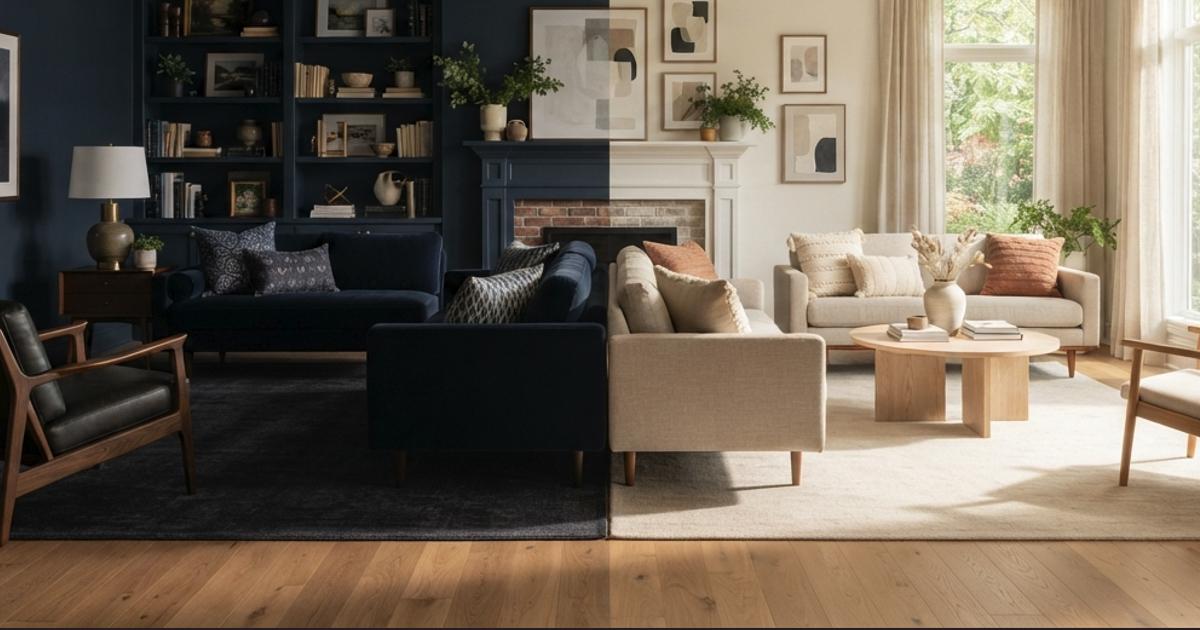

Have you ever walked into a room and immediately felt like it was larger or more intimate than it actually was? Chances are, the paint color played a significant role in shaping that perception. Color is one of the most powerful design tools available to Michigan homeowners, and understanding how it influences the way we experience space can completely change how you approach your next interior painting project.
Whether you're working with a cozy ranch-style home in Grand Rapids or a sprawling colonial in Troy, the right color choices can make every room feel exactly the way you want it to. At Blackhurst Painting, we work with homeowners every day to help them use color strategically — not just for style, but for spatial impact too.
Why Color Makes Rooms Look Bigger or Smaller
Before diving into specific strategies, it helps to understand the basic science behind how our eyes and brains process color. Light colors reflect natural and artificial light, which creates an open, airy feeling. Dark colors absorb light and draw surfaces inward, making a room feel more enclosed and intimate. This isn't a matter of opinion — it's how our visual system is wired.
In Michigan, where winter months can significantly reduce the amount of natural light flowing into your home, this principle becomes even more important. The colors you choose don't just set a mood; they either work with your available light or fight against it.
Warm vs. Cool Tones
Another layer to consider is the difference between warm and cool tones. Warm colors — like reds, oranges, and warm yellows — tend to advance toward the viewer, making walls feel closer. Cool colors — like blues, greens, and soft grays — tend to recede, creating the visual impression of more space. This is why cool-toned neutrals are so popular in smaller rooms like bathrooms and bedrooms where homeowners want the space to feel as open as possible.
The Role of Sheen and Finish
It's not just about the hue. The finish you choose also affects how spacious a room feels. Higher sheen finishes like satin and semi-gloss reflect more light, which can enhance the brightness of a room. Flat or matte finishes absorb light and can make a space feel slightly more closed in — though they're excellent at hiding wall imperfections, which matters in older Michigan homes.
Proven Color Strategies for Making Rooms Feel Larger
If you have rooms in your home that feel smaller than you'd like, there are several time-tested color strategies that professional painters and interior designers use to open up a space visually. Here are some of the most effective approaches:
- Paint walls, trim, and ceiling the same color: When everything is one unified shade — particularly a soft, light neutral — the boundaries of the room blur visually, eliminating the contrast that normally makes a room feel boxed in.
- Use soft whites and off-whites: Classic white and warm white tones maximize light reflection and create a clean, expansive feel. They work beautifully in kitchens, smaller bathrooms, and hallways.
- Choose cool-toned neutrals: Colors like soft sage green, pale blue-gray, and light lavender create visual depth without feeling cold or sterile.
- Extend wall color onto the ceiling: In rooms with lower ceilings, bringing the wall color slightly onto the ceiling can eliminate the harsh visual boundary and make the ceiling feel higher than it is.
- Paint vertical stripes: Subtle vertical stripes draw the eye upward, making ceilings appear taller — a great trick for Michigan ranch homes with standard eight-foot ceilings.
- Use a single color on all walls: Avoid chopping up small rooms with multiple colors. A single wall color creates an uninterrupted visual flow that makes the space feel more cohesive and open.
When You Actually Want a Room to Feel Smaller and Cozier
Not every room needs to feel larger. Some spaces benefit enormously from feeling intimate, warm, and enveloping. Think of a cozy reading nook, a home theater, a formal dining room, or a master bedroom designed for deep relaxation. In these cases, darker and richer colors are actually your best friend.
Embracing Deep, Rich Colors
Deep navy blues, forest greens, warm charcoals, and rich burgundies all create an immersive, cocoon-like atmosphere that many homeowners love in certain rooms. These colors work especially well in rooms with high ceilings that might otherwise feel cold or cavernous. By bringing those walls inward visually, dark colors create a sense of scale and human proportion that feels comfortable and inviting.
Accent Walls as a Strategic Tool
If you're not ready to commit to a fully dark room, a well-placed accent wall can achieve a similar effect on a smaller scale. Painting just one wall in a deep, saturated color adds visual weight and dimension to a room, creating a focal point that makes the space feel intentional and designed. This is especially effective behind a bed in a master bedroom or behind a fireplace in a living room.
Putting It All Together in Your Michigan Home
Understanding the relationship between color and perceived space is just one piece of the puzzle. The real magic happens when these strategies are applied thoughtfully throughout your entire home, taking into account your specific floor plan, ceiling heights, natural light exposure, and the architectural details that make your house unique.
That's where working with an experienced painting team makes all the difference. At Blackhurst Painting, we don't just apply paint — we consult with homeowners on color selection, finish choices, and how each room's design will influence the final result. Our goal is to make sure you're thrilled with how your home looks and feels long after we've packed up our brushes.
Whether you're refreshing a single room or reimagining your entire home's interior, we're here to help you make color work for your space rather than against it. Reach out to Blackhurst Painting today to schedule a consultation and get started on a project that truly transforms the way you experience your Michigan home.
