
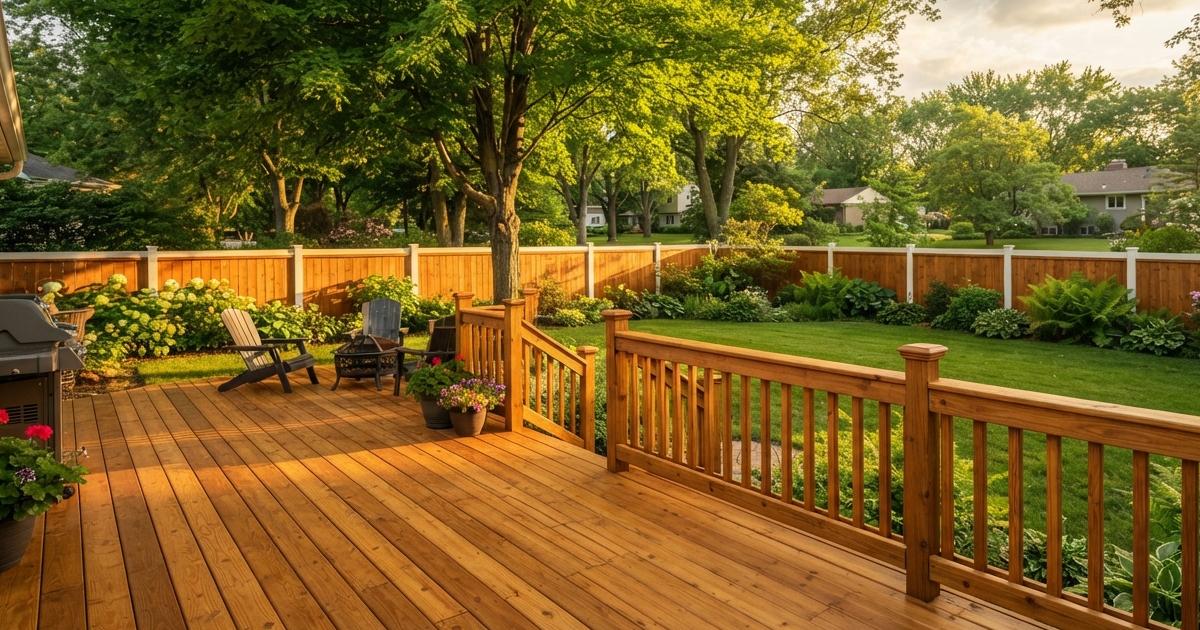

Michigan homeowners know better than most that outdoor living spaces take a beating. Between the freezing winters, spring thaw cycles, summer humidity, and fall rainfall, your deck, fence, and pergola are constantly exposed to conditions that wear down even the toughest wood. One of the most effective and affordable ways to protect these investments is through professional staining — and the difference it makes can be dramatic.
At Blackhurst Painting, we work with homeowners across Michigan to restore, protect, and beautify their outdoor spaces. Whether your deck is showing signs of graying and cracking or your fence has begun to splinter and fade, the right stain applied correctly can add years — sometimes decades — to the life of the wood. Let's walk through what you need to know about deck and fence staining so you can make the best decision for your home.
Why Staining Is More Than Just a Cosmetic Choice
Many homeowners think of staining as something you do to make wood look nice. And while it absolutely does improve the appearance of your outdoor surfaces, the real value of a quality stain goes much deeper — literally. Wood is a porous, living material that expands and contracts as temperatures change. Without proper protection, moisture works its way into those pores, causing the wood to swell, crack, warp, and eventually rot.
In Michigan, this process is accelerated by the dramatic seasonal swings we experience. A deck that goes through freeze-thaw cycles every spring without any protective coating can deteriorate significantly in just a few years. Staining creates a barrier that repels water, resists UV damage from summer sun, and prevents the kind of deep moisture penetration that leads to structural problems.
The Long-Term Cost of Skipping Stain
Neglecting to stain or restain your deck or fence doesn't just result in an unsightly appearance — it leads to real financial consequences. Rotted deck boards, crumbling fence posts, and warped pergola beams can cost thousands of dollars to replace. Compared to the relatively modest cost of professional staining, protecting your investment upfront makes clear financial sense. Think of staining as maintenance insurance for your outdoor spaces.
UV Damage Is a Bigger Problem Than Most Homeowners Realize
Even during Michigan's shorter summers, ultraviolet rays break down the lignin in wood — the natural compound that gives wood its structure and color. This is why untreated wood turns that familiar gray, weathered color over time. Quality stains with UV inhibitors slow this breakdown significantly, keeping your wood stronger and better-looking for longer.
Understanding the Different Types of Wood Stains
Not all stains are created equal, and choosing the right product for your specific situation matters a great deal. When we work with Michigan homeowners, we take the time to assess the condition of the wood, the type of wood, and the level of exposure before recommending a product. Here's a quick breakdown of the main categories:
- Transparent stains: These allow the full natural grain of the wood to show through. They're best suited for new or newer wood in excellent condition and provide a beautiful, natural look. They do require more frequent reapplication.
- Semi-transparent stains: These offer a balance between color and grain visibility. They provide more UV protection than transparent stains while still allowing the wood's character to come through. A popular choice for decks and fences in good condition.
- Semi-solid stains: These provide more color coverage and protection, hiding some of the wood's natural grain. Ideal for wood that has started to show wear but still has good structural integrity.
- Solid stains: These behave more like paint, completely covering the wood's grain while providing maximum protection. Best for older, weathered wood that needs significant color correction and protection. They last the longest before reapplication is needed.
- Water-based vs. oil-based stains: Water-based stains are easier to clean up, dry faster, and are more environmentally friendly. Oil-based stains penetrate deeper into the wood and are often preferred for heavily weathered surfaces that need maximum conditioning.
What Professional Staining Looks Like — and Why It Matters
One of the most common mistakes homeowners make with DIY staining is skipping or rushing the preparation process. Proper prep work is what separates a stain job that lasts for years from one that peels, fades, or fails within a single season. At Blackhurst Painting, preparation is never an afterthought — it's the foundation of everything we do.
Surface Cleaning and Assessment
Before any stain is ever applied, the wood must be thoroughly cleaned. This means removing dirt, mildew, algae, and any remnants of old stain or sealant. We use professional-grade cleaning solutions and pressure washing techniques to open the wood's pores and ensure maximum stain absorption. We also carefully inspect for any damaged, soft, or rotting boards that should be replaced before staining begins.
Sanding and Surface Preparation
After cleaning, sanding rough areas ensures an even surface and helps the stain adhere properly. This step is especially important for decks that see heavy foot traffic, where rough or splintered wood is both unsightly and a safety concern. Taking the time to properly prepare the surface is what allows the stain to do its job effectively.
Application and Final Inspection
Professional stain application isn't simply rolling product onto wood as fast as possible. It requires attention to how the stain is worked into the wood, how many coats are needed, how edges and tight spaces are handled, and how drying times are managed — especially important in Michigan where weather can change quickly. We complete every project with a thorough inspection to ensure full, even coverage and a finished result that looks as good as it protects.
How Often Should You Restain in Michigan?
The frequency of restaining depends on several factors: the type of stain used, the type of wood, the level of sun and moisture exposure, and the quality of the original application. As a general guideline for Michigan homeowners:
- Transparent stains typically need reapplication every one to two years.
- Semi-transparent stains generally last two to three years before needing attention.
- Semi-solid and solid stains can last three to five years or more with proper maintenance.
The best approach is to inspect your deck and fence each spring after the snow melts. Look for signs of water no longer beading on the surface, areas of gray or faded color, soft or spongy spots, and any cracking or peeling. These are all signs that it's time to restain before more serious damage sets in.
Ready to Protect and Beautify Your Outdoor Spaces?
Your deck, fence, and pergola are extensions of your home — spaces where Michigan families gather for cookouts, relax on summer evenings, and create memories. Protecting those spaces with professional staining is one of the smartest investments you can make as a homeowner. At Blackhurst Painting, we bring the same attention to detail and commitment to quality to every exterior staining project that we bring to every interior paint job.
If your outdoor surfaces are overdue for attention, don't wait until the damage becomes costly. Contact Blackhurst Painting today to schedule a consultation and get an accurate estimate for your deck, fence, or pergola staining project. We're proud to serve homeowners across Michigan, and we'd love to help you protect and transform your outdoor spaces this season.
