
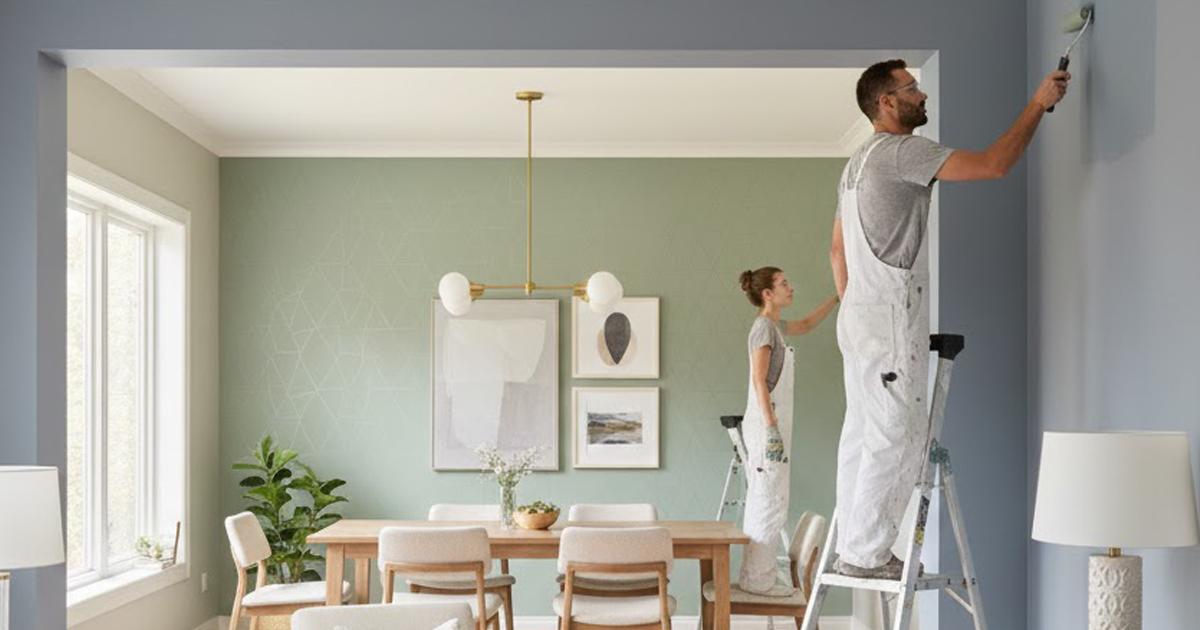

The Open-Concept Challenge
Open-concept floor plans have become the defining feature of modern Michigan homes, removing walls between kitchens, dining areas, and living rooms to create flowing, light-filled spaces perfect for family life and entertaining. However, this architectural openness creates a unique painting challenge—how do you define different functional zones while maintaining visual cohesion across hundreds of uninterrupted square feet? Too many colors create visual chaos and make spaces feel choppy and disconnected. Too few colors result in bland, undifferentiated spaces that fail to establish identity for different areas. At Blackhurst Painting, we've mastered the art of creating color flow in open-concept homes, using professional techniques that establish distinct zones while maintaining the unified aesthetic that makes open plans work. This expertise separates amateur paint jobs that either overwhelm or underwhelm from professional results that make open spaces feel both cohesive and purposeful.;
Understanding Color Relationships
Successful open-concept color schemes rely on understanding how colors relate to each other across sight lines and shared spaces. Professional painters don't just select individual colors—we develop color families where different tones share underlying characteristics that create visual harmony. This might mean using varying shades of the same color, selecting colors from adjacent positions on the color wheel, or choosing colors that share similar undertones even when they appear quite different. In Michigan homes where natural light varies dramatically between seasons and throughout the day, these color relationships become even more critical. Colors that look perfect in summer's bright light may feel entirely different during winter's gray days. At Blackhurst Painting, we evaluate color selections under various lighting conditions, ensuring the relationships between colors in your open-concept space remain harmonious regardless of season or time of day.;
The 60-30-10 Rule for Open Spaces
Interior designers rely on the 60-30-10 rule—60 percent dominant color, 30 percent secondary color, and 10 percent accent color—to create balanced color schemes, and this principle becomes even more important in open-concept homes. Your dominant color typically covers the majority of wall surfaces throughout the main open area, creating the foundational tone that unifies the space. The secondary color might define one zone within the open area—perhaps the dining space or a reading nook—establishing subtle distinction without disrupting flow. Accent colors appear in smaller doses through trim work, feature walls, or architectural details, adding visual interest and tying together different areas. However, applying this rule in practice requires professional judgment about where transitions occur, how much variation feels intentional versus chaotic, and how to maintain the rule's balance when dealing with multiple connected spaces. Blackhurst Painting's experience with countless Michigan open-concept homes gives us the expertise to adapt this principle to your specific space and style preferences.;
Strategic Use of Neutral Foundations
Many successful open-concept color schemes start with neutral foundations—whites, grays, beiges, or greiges that cover most surfaces while allowing strategic color placement in specific zones. This approach provides maximum flexibility for furniture arrangement, artwork display, and future style evolution while maintaining the cohesive backdrop that makes open spaces work. However, "neutral" doesn't mean boring or generic. Professional painters understand that neutrals contain subtle undertones—warm, cool, or balanced—that dramatically affect how they interact with natural light, artificial lighting, and accent colors. The wrong neutral can make a Michigan open-concept home feel cold and institutional during winter months or washed out during summer's intense sunlight. At Blackhurst Painting, we help you select neutrals with undertones that complement your home's lighting, architectural features, and lifestyle while providing the cohesive foundation that allows strategic color placement to define zones without creating visual fragmentation.;
Defining Zones Without Walls
One of the primary functions of color in open-concept spaces is creating visual definition between functional areas without the physical separation that defeats the open plan's purpose. Professional painters use several techniques to establish these boundaries subtly. Accent walls define specific zones—a deeper shade behind the dining table, a contrasting color in the living area—while maintaining visual connection to surrounding spaces through careful color selection. Ceiling treatments create overhead definition, with tray ceilings, beams, or coffered details painted in contrasting tones that establish boundaries you feel rather than see. Trim and millwork in accent colors create visual frames around different zones, establishing separation through architectural emphasis rather than color blocking. These techniques require professional expertise to execute without creating jarring transitions or destroying the flowing quality that makes open-concept layouts appealing.;
Managing Natural Light Transitions
Michigan homes' natural light varies dramatically throughout the day and across seasons, creating challenges for open-concept color schemes where large expanses of wall surface respond differently to changing light conditions. Morning light might flood your kitchen from east-facing windows while your living area remains relatively dim, then reverse as afternoon sun moves across your home. Winter's low-angle light creates entirely different effects than summer's bright overhead illumination. Professional painters account for these light transitions when developing open-concept color schemes, selecting tones that maintain their relationships and appeal under varying conditions. We evaluate your home's orientation, window placement, and seasonal light patterns, ensuring colors that look harmonious during our consultation will maintain that harmony throughout the year. This attention to natural light prevents the disappointment of color schemes that work beautifully in one season or lighting condition but fail when circumstances change.;
Coordinating with Fixed Elements
Open-concept spaces often include fixed elements that influence color selection—hardwood floors, stone fireplaces, granite countertops, cabinetry—and professional color schemes must work with these permanent features rather than fighting against them. Kitchen cabinets might be warm maple, while living room built-ins feature cool-toned paint. Your flooring might transition from hardwood to tile as you move from living areas to kitchen. Stone surrounds on your fireplace introduce additional colors and textures. At Blackhurst Painting, we develop color schemes that acknowledge and complement these fixed elements, creating cohesion between painted surfaces and permanent features. This coordination prevents the common mistake of selecting paint colors in isolation, only to discover they clash with flooring, countertops, or architectural details that can't be easily changed. Professional painters see your open-concept space as a complete composition where every element contributes to the overall effect.;
Vertical Integration and Ceiling Considerations
Most homeowners focus exclusively on wall colors when planning open-concept schemes, overlooking the massive visual impact of ceilings in spaces with unobstructed sight lines. Professional painters understand that ceiling color dramatically affects how open spaces feel—higher or lower, larger or smaller, cohesive or fragmented. White ceilings create the illusion of height and maximize light reflection, but they can also make colorful walls feel disconnected from the overall space. Ceilings painted in softer versions of wall colors create enveloping effects that make spaces feel more intimate and unified. Contrasting ceiling colors add drama and architectural interest but require careful execution to avoid overwhelming the space. In Michigan homes with varying ceiling heights—vaulted great rooms, standard-height kitchens, tray ceilings in dining areas—coordinating ceiling treatments becomes even more critical. Blackhurst Painting's expertise in vertical color integration ensures your open-concept space feels complete from floor to ceiling, with color relationships that work in three dimensions rather than just across wall surfaces.;
Practical Application Considerations
Beyond color selection, professional open-concept painting requires technical expertise that ensures clean execution across large, uninterrupted surfaces. Maintaining consistent sheen levels across hundreds of square feet demands proper material management and application techniques. Transition points between colors must be precisely masked and executed, creating sharp lines that look intentional rather than approximate. Large wall surfaces reveal imperfections in surface preparation that might go unnoticed in smaller, more compartmentalized rooms, making thorough prep work essential. Michigan's climate creates additional challenges—winter's dry air and summer's humidity affect paint application and drying, while temperature extremes can stress improperly prepared surfaces. At Blackhurst Painting, our professional crews bring the technical skills that transform carefully planned color schemes into flawlessly executed reality, ensuring your open-concept space looks as good in person as it did in planning.;
Creating Your Open-Concept Vision
Successful open-concept color schemes balance multiple competing considerations—creating cohesion while establishing zones, maintaining interest without creating chaos, working with natural light while managing fixed elements, and honoring personal style while respecting design principles. This complexity explains why professional painting services deliver dramatically better results than DIY attempts in open-concept spaces. At Blackhurst Painting, we bring decades of experience working with Michigan's diverse home styles, helping homeowners develop and execute color schemes that make open spaces feel intentional, cohesive, and perfectly suited to their lifestyle. Whether you're updating an existing open-concept home or planning colors for new construction, our expertise ensures your investment in professional painting delivers the flowing, unified spaces that define successful open-concept living. Let us help you create the color flow that transforms your Michigan home's open spaces from generic to genuinely exceptional.
