
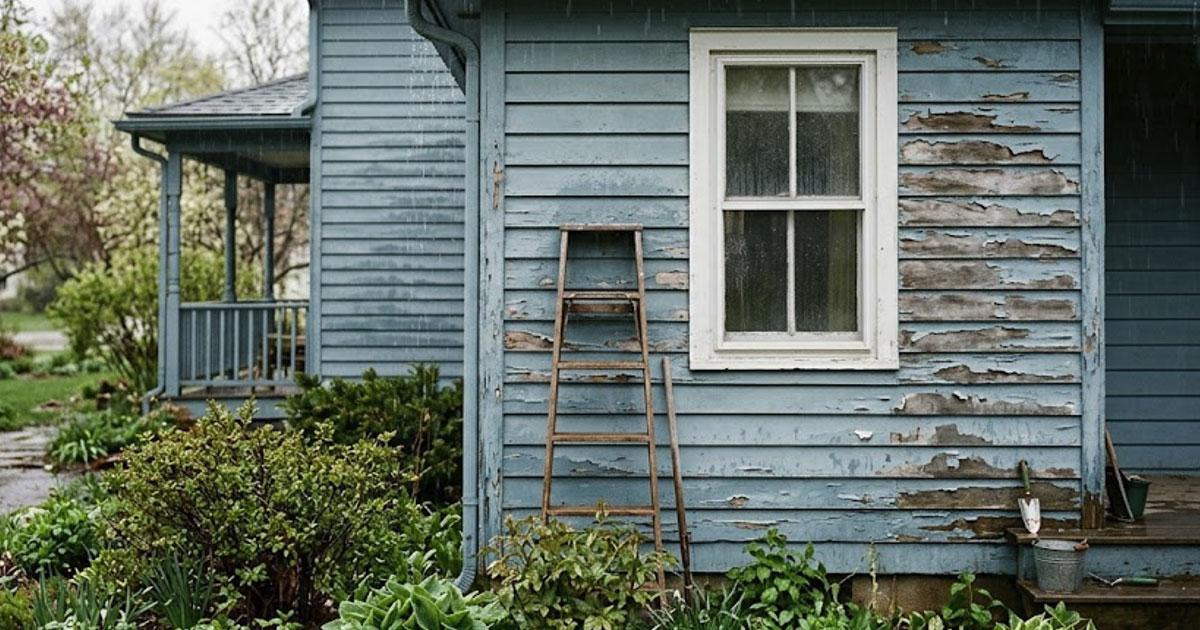

Spring in Michigan brings a welcome change—warmer temperatures, longer days, and the return of vibrant outdoor life. But along with that seasonal shift comes something many homeowners overlook: persistent spring rain. While it might seem harmless, those steady rains have a way of exposing underlying paint issues that developed quietly over the winter months. What looks fine on a dry day can quickly reveal peeling, bubbling, or discoloration once moisture is introduced.
Why Spring Rain Is Hard on Exterior Paint
After months of freezing temperatures, snow, and ice, your home’s exterior paint has already taken a beating. As everything begins to thaw, moisture finds its way into even the smallest vulnerabilities. Spring rain doesn’t just hit the surface—it seeps into cracks, edges, and previously weakened areas.
This leads to:
- Increased moisture penetration behind paint layers
- Expansion and contraction of materials due to temperature swings
- Faster breakdown of already compromised paint
- Exposure of hidden damage that wasn’t visible during winter
Common Paint Problems Revealed by Rain
Once the rain starts, issues that were easy to miss suddenly become obvious. These are the most common signs your paint is failing:
Peeling and Flaking
Paint that begins to peel away from the surface is often a sign that moisture has broken the bond between the paint and the substrate. This is especially common on trim and older wood surfaces.
Bubbling and Blistering
When water gets trapped beneath the paint, it creates bubbles or blisters. These can grow over time and eventually crack, leaving your home exposed.
Discoloration and Staining
Uneven color, streaks, or stains after rainfall often indicate water intrusion or poor sealing. These are early warning signs that shouldn’t be ignored.
Cracking and Splitting
Fine cracks may seem minor, but they allow moisture to enter and expand, making the problem worse with every rain cycle.
Where to Look First Around Your Home
Some areas are more vulnerable than others when it comes to moisture damage. After a spring rain, take a closer look at:
- Window and door frames
- Fascia boards and rooflines
- Siding seams and joints
- Decks, railings, and exposed wood
- Areas with direct sun and shade contrast
Why Timing Matters: Fix It Before Summer Heat
It’s easy to put off painting projects, but waiting too long can turn small issues into major repairs. Michigan’s summer heat can intensify existing problems, causing paint to fail even faster.
Addressing these issues in spring allows for:
- Proper drying and curing conditions
- Better paint adhesion
- Prevention of deeper structural damage
- Longer-lasting results overall
The Right Way to Fix the Problem
Not all paint jobs are created equal. Simply painting over damaged areas won’t solve the issue—it will only hide it temporarily.
A professional approach includes:
- Thorough inspection of all exterior surfaces
- Scraping and removal of failing paint
- Repairing damaged wood or materials
- Proper priming to seal surfaces
- Application of high-quality, weather-resistant coatings
Protect Your Home with Blackhurst Painting
At Blackhurst Painting, we understand exactly how Michigan weather impacts your home. Spring rains are often the first sign that your exterior needs attention, and we take that seriously. Our process is built around proper preparation, expert application, and long-term protection—not quick fixes.
If you’re noticing peeling, bubbling, or discoloration after recent rains, now is the time to act. Taking care of these issues early ensures your home stays protected, looks great, and is ready for whatever the Michigan seasons bring next.
