
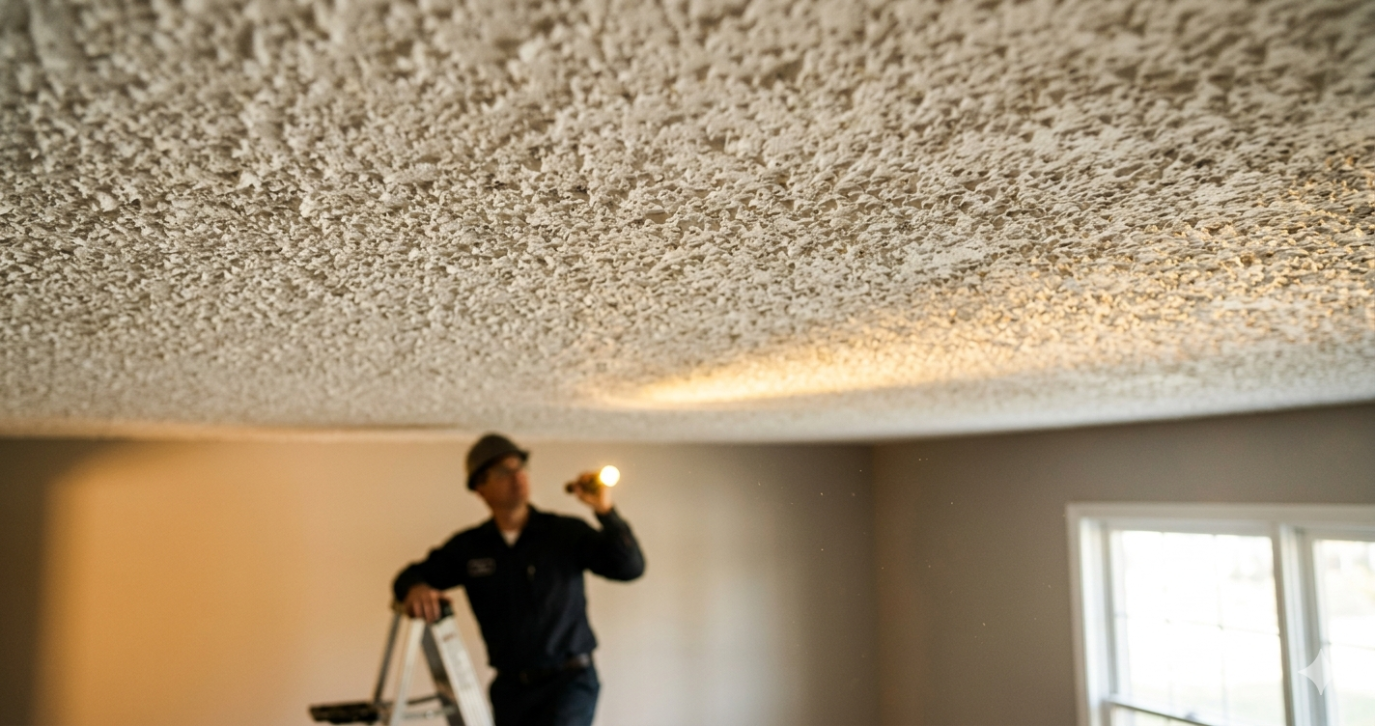

If your home was built before the 1990s, there is a good chance you are living beneath a popcorn ceiling right now. That bumpy, textured surface was once considered a stylish and practical choice — but today, it is widely regarded as one of the most dated features a home can have. Michigan homeowners are increasingly asking about popcorn ceiling removal, and for good reason. Whether you are preparing to sell your home, updating your interior aesthetic, or simply tired of looking up at a texture that belongs in another decade, removing popcorn ceilings can make a dramatic difference in how your home looks and feels.
Before you grab a scraper and a bucket of water, though, there are some important things you need to know. Popcorn ceiling removal is not always a simple weekend project, and in some cases, it can involve serious health and safety considerations. Here is what every Michigan homeowner should understand before moving forward.
What Exactly Is a Popcorn Ceiling?
Popcorn ceilings — also called acoustic ceilings, cottage cheese ceilings, or stucco ceilings — were popular in residential construction from the 1950s through the late 1980s. The texture was applied using a spray mixture that created a thick, bumpy finish. Builders loved them for several reasons: they were fast to apply, helped hide ceiling imperfections, and were thought to reduce echo and absorb sound in rooms.
Over time, however, the drawbacks became more apparent. Popcorn ceilings are notoriously difficult to clean, they tend to yellow and discolor with age, they make rooms feel dated and smaller, and they can actually muffle light rather than reflect it — making your living spaces feel darker than they need to be.
The Asbestos Question
Here is where things get serious. Popcorn ceiling mixtures applied before 1978 may contain asbestos, a mineral fiber that was commonly used in building materials during that era because of its durability and fire resistance. Asbestos is a known carcinogen, and disturbing materials that contain it — such as by scraping a popcorn ceiling — can release harmful fibers into the air.
If your Michigan home was built before 1978, it is absolutely essential to have your popcorn ceiling tested for asbestos before attempting any removal. This is not optional advice — it is a serious safety precaution. A certified professional can take a small sample of the ceiling material and have it tested at a lab. If asbestos is present, removal must be handled by a licensed abatement contractor following strict state and federal guidelines.
Homes built after 1978 are much less likely to have asbestos in their popcorn ceilings, but testing is still a wise step if you are uncertain about the age of your home or its previous renovations.
The DIY Reality vs. Hiring a Professional
Many homeowners attempt to remove popcorn ceilings themselves after watching a few online tutorials. And while it is true that the basic process — wet the surface, scrape, skim coat, sand, prime, and paint — sounds manageable, the reality is often messier and more complicated than expected.
What DIY Popcorn Removal Actually Involves
- Moving all furniture out of the room or covering it completely with plastic sheeting
- Protecting floors, walls, outlets, and light fixtures from water and debris
- Wetting down the ceiling in sections with a garden sprayer and waiting for the texture to absorb moisture
- Carefully scraping the wet texture off without gouging the drywall beneath
- Discovering and repairing damage, skim coating the entire ceiling to create a smooth surface
- Sanding and priming before painting — often requiring multiple coats for a truly smooth finish
- Cleaning up a significant amount of messy debris throughout the process
Even experienced DIYers often find that their ceilings come out uneven, with visible scrape marks or patches, because achieving a truly smooth ceiling requires skill and the right tools. A poorly finished ceiling can look worse than the original popcorn texture — and fixing mistakes adds time, cost, and frustration.
Why Professional Removal Makes a Difference
When you hire a professional painting company like Blackhurst Painting, you get a team that has done this work many times before. We know how to properly assess your ceiling before starting, protect your home during the process, handle unexpected challenges like damaged drywall or previously painted-over popcorn texture, and deliver a smooth, beautifully finished ceiling that looks like it was never textured in the first place.
Professional removal also means proper disposal of the materials, which matters especially if asbestos is involved. We coordinate with certified testing and abatement professionals when necessary so that the entire process is handled safely from start to finish.
What Happens After the Popcorn Is Gone?
Removing the texture is only the beginning. Once your ceiling is scraped clean, the surface needs to be skim coated — a thin layer of joint compound applied across the entire ceiling to fill in imperfections, scrape marks, and any uneven areas left behind. This step is critical for achieving a truly smooth final appearance.
After the skim coat dries, the ceiling is sanded smooth, primed, and then painted. The right paint finish for ceilings matters here — flat or matte finishes are typically recommended because they minimize the appearance of any minor surface irregularities and reduce light reflection that could highlight imperfections.
The Visual Impact Is Remarkable
Once a popcorn ceiling has been removed and painted smoothly, the transformation in a room is genuinely remarkable. Ceilings look higher. Rooms feel larger and more modern. Light reflects more evenly, making spaces feel brighter and more open. Homeowners who have made this upgrade almost universally say they wish they had done it sooner.
For Michigan homeowners looking to update their interiors without a full renovation, popcorn ceiling removal paired with fresh paint is one of the most impactful changes you can make. It is a project that affects how every room in your home looks and feels, and the results speak for themselves.
Is Popcorn Ceiling Removal Right for Your Home?
If you are living beneath outdated texture and wondering whether removal is worth the investment, the answer is almost always yes — provided it is done correctly and safely. The key is working with a team that knows what they are doing, understands the potential complications, and has the skills to deliver a finished ceiling you will be proud of for years to come.
At Blackhurst Painting, we have helped Michigan homeowners throughout the region say goodbye to their popcorn ceilings and hello to smooth, beautifully painted surfaces that completely transform their living spaces. Whether you have one room or an entire home full of textured ceilings, we are here to guide you through the process from start to finish.
Ready to get started? Contact Blackhurst Painting today for a free estimate, and let us help you take your Michigan home to the next level — one smooth ceiling at a time.
