
Your home's exterior paint does far more than make a good first impression on the neighbors. It serves as a protective barrier between your home's structure and the relentless forces of Michigan weather — from freeze-thaw cycles and heavy snowfall to humid summers and driving rain. When that barrier begins to fail, the consequences can go well beyond cosmetic concerns. Knowing how to recognize the early warning signs that your exterior needs repainting can save you from costly repairs down the road.
At Blackhurst Painting, we've worked on hundreds of Michigan homes and seen firsthand what happens when exterior paint is left too long between refresh cycles. The good news is that catching these signs early means the work is usually straightforward and affordable. Waiting, on the other hand, can turn a painting project into a full-scale restoration.
The Most Common Warning Signs Your Exterior Paint Is Failing
Some signs of exterior paint failure are hard to miss. Others are subtle enough that homeowners walk past them every day without realizing what they're looking at. Here's what to look for when you do a careful walk-around of your home.
Peeling, Flaking, or Chipping Paint
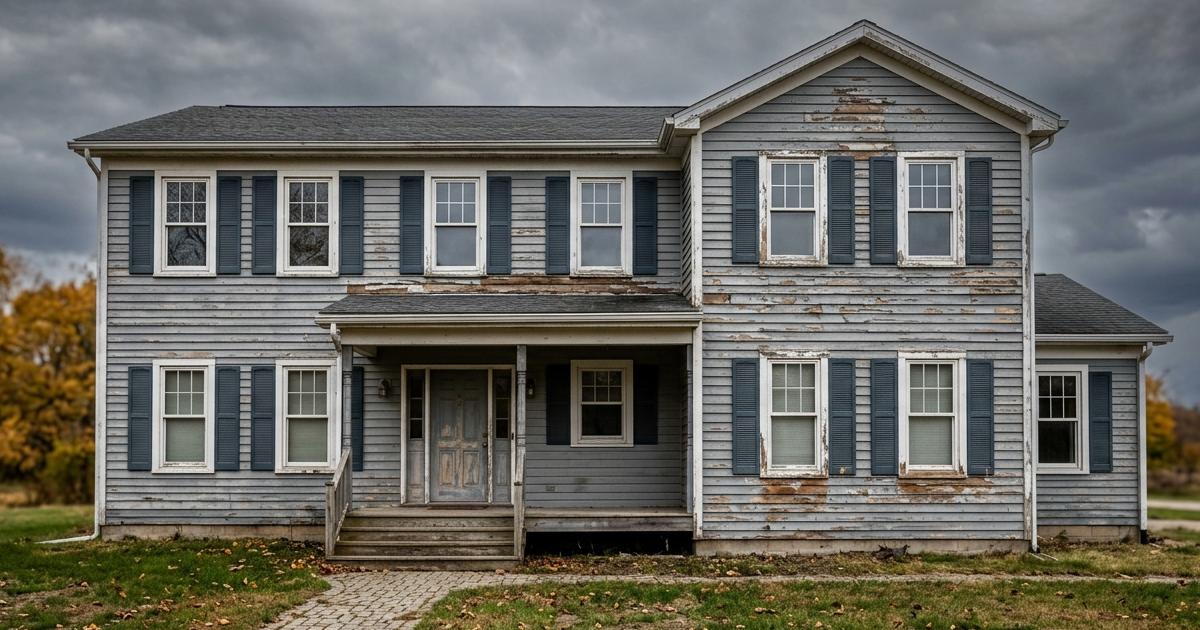
This is the most obvious sign and one that Michigan homeowners often notice after a harsh winter. When paint peels away from the surface, it's usually a sign that moisture has found its way beneath the paint film, causing it to lose adhesion. In Michigan, this is especially common on the north-facing sides of homes that receive less sunlight and stay damp longer after rain or snow. Once peeling begins, it tends to spread quickly. Leaving it untreated allows moisture to reach the wood or siding underneath, which can lead to rot, mold, and structural damage.
Fading and Chalking
Paint that has been exposed to years of UV radiation will gradually fade and lose its original depth of color. You might also notice a chalky residue on the surface when you run your hand across the siding — this is called chalking, and it's a sign that the paint's pigment and binder have broken down. While some chalking is normal over time, excessive chalking means the paint is no longer protecting the surface the way it should. Faded, chalky paint also gives your home a tired, neglected appearance that can significantly reduce curb appeal and even impact resale value.
Cracking and Bubbling
Cracking paint often occurs when the paint film has become too rigid to expand and contract with temperature fluctuations — something that happens constantly in Michigan throughout the seasons. Bubbling or blistering, on the other hand, is almost always a moisture issue. If you see raised, bubble-like areas on your siding, it means moisture is trapped beneath the surface trying to escape. Both conditions leave your home's exterior vulnerable and are clear signals that repainting should be scheduled sooner rather than later.
Less Obvious Signs That Homeowners Often Miss
Not every sign of failing exterior paint is as dramatic as peeling sheets or obvious bubbles. Some warning signs are quieter but just as important to address.
Caulk That Has Dried Out, Cracked, or Pulled Away
The caulking around your windows, doors, trim, and other transitions is closely tied to the health of your exterior paint system. When caulk dries out and cracks or pulls away from the surface, it creates open pathways for water to get behind your siding and into your walls. During a professional repaint, fresh caulking is applied as part of the prep process, sealing these vulnerabilities before the new paint goes on.
Staining, Mildew, or Dark Streaking
Michigan's humid summers create ideal conditions for mildew and algae growth on exterior surfaces, especially on shaded walls and under overhangs. If you notice dark staining, green or black discoloration, or streaking running down from gutters or trim, your paint's mildew resistance has likely been compromised. Not only is this unsightly, but mildew can degrade the paint film itself and, if left unchecked, penetrate into the wood beneath.
Paint That Looks Dull Even After Cleaning
Sometimes the sign isn't dramatic at all — your home just looks dull and flat, even after a good power washing. If cleaning your home's exterior doesn't restore any of its original vibrancy, it's a strong indication that the paint has simply reached the end of its useful life and no amount of cleaning will bring it back.
What to Do When You Spot These Signs
If you've noticed any of the warning signs above, the smart next step is to get a professional assessment. A few things worth considering as you move forward:
- Timing matters in Michigan. Exterior painting should be done when temperatures are consistently above 50 degrees Fahrenheit, which in our region generally means late spring through early fall. Don't wait so long that you run out of suitable weather windows.
- Surface preparation is everything. A proper exterior repaint involves thorough cleaning, scraping, sanding, priming bare areas, and fresh caulking — not just rolling new paint over old. Cutting corners on prep will only accelerate the next failure cycle.
- Not all sides of your home age equally. The south and west-facing sides tend to fade faster due to sun exposure, while north-facing sides are more prone to moisture issues. A professional painter will assess each side individually and address what's needed.
- Material type affects the approach. Whether your home has wood siding, fiber cement, vinyl, brick, or stucco, the right preparation and product choices differ. Working with an experienced team ensures the right solution for your specific situation.
- Address wood rot and damage before painting. If surface prep reveals rotting wood or damaged siding, those issues need to be resolved before any paint is applied. Paint cannot fix structural damage — it can only protect sound surfaces.
At Blackhurst Painting, our exterior painting process begins with a careful inspection of your home's current condition. We take the time to identify problem areas, complete thorough prep work, and apply high-quality coatings designed to withstand Michigan's demanding climate. The result is a finish that looks great and protects your home for years to come.
Don't Wait Until Small Problems Become Big Ones
The most expensive exterior paint jobs are the ones that were put off too long. What starts as a small area of peeling paint or some dried-out caulking can escalate into rotting wood, moisture damage inside the walls, or compromised structural elements — all of which are far more costly to repair than a timely repaint would have been.
If you're a Michigan homeowner and it's been more than seven to ten years since your exterior was last painted, or if you've noticed any of the warning signs described above, it's worth scheduling a professional evaluation. Catching these issues early is the most cost-effective approach, and getting a fresh coat of quality exterior paint on your home before the damage deepens protects both your investment and your peace of mind.
Ready to find out what your home's exterior needs? Contact Blackhurst Painting today for a professional consultation and estimate. We're proud to serve homeowners across Michigan with expert exterior painting that's built to last.
